DAKAR'S CREATORS
Three million inhabitants live within the capital of the Republic of Senegal — Dakar (Ndakaaru in Wolof).
Nicknamed the Cape Verde Peninsula, this narrow stretch of land, though representing only 0.28% of the national territory, is home to nearly a quarter of the country’s growing population, which is becoming increasingly crowded.
The city is changing — fast. “Emergence” comes at a price: the rapid transformation of the metropolis, where new buildings and neighborhoods rise from the ground at dizzying speed.
It’s therefore not uncommon to come across an uprooted tree or a family house torn down, soon replaced by an imposing new structure.
Everyone builds upward, for lack of space — calling upon battalions of tightly packed masons, sometimes young graduates short on opportunities, who flock to construction sites.
When a house is demolished, a story comes to an end — people move, whether they are civil servants, laborers, mechanics, or artists.
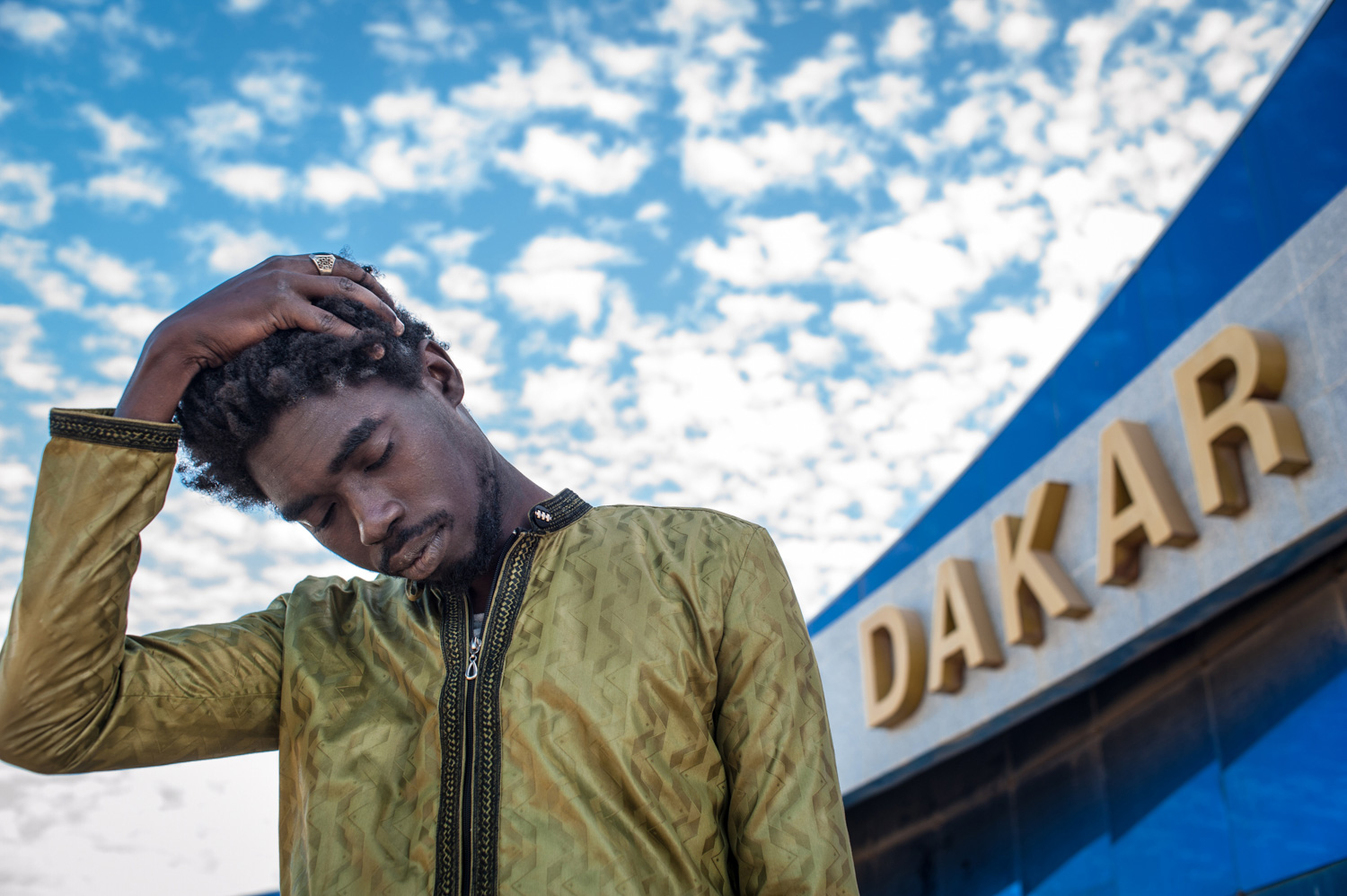
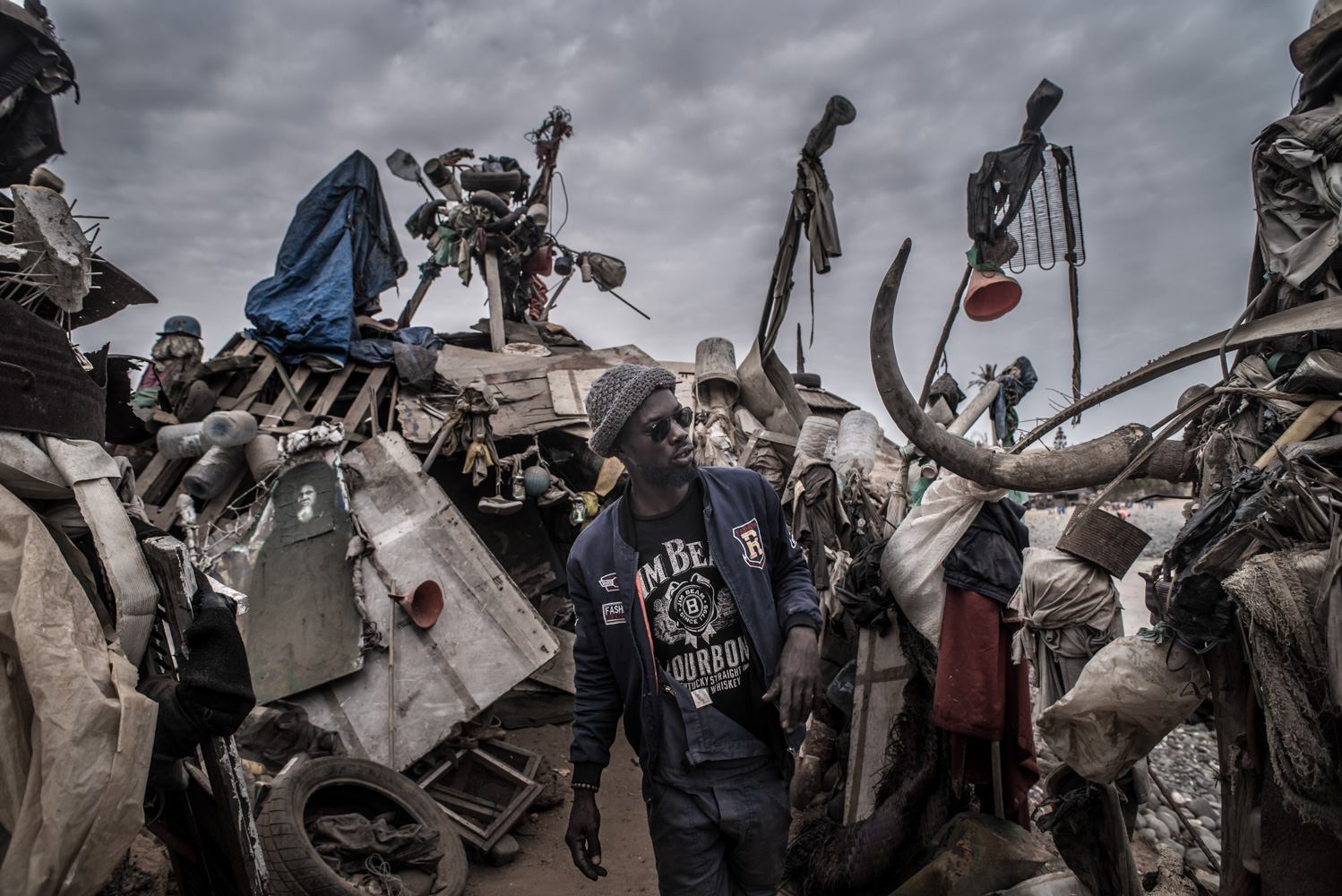
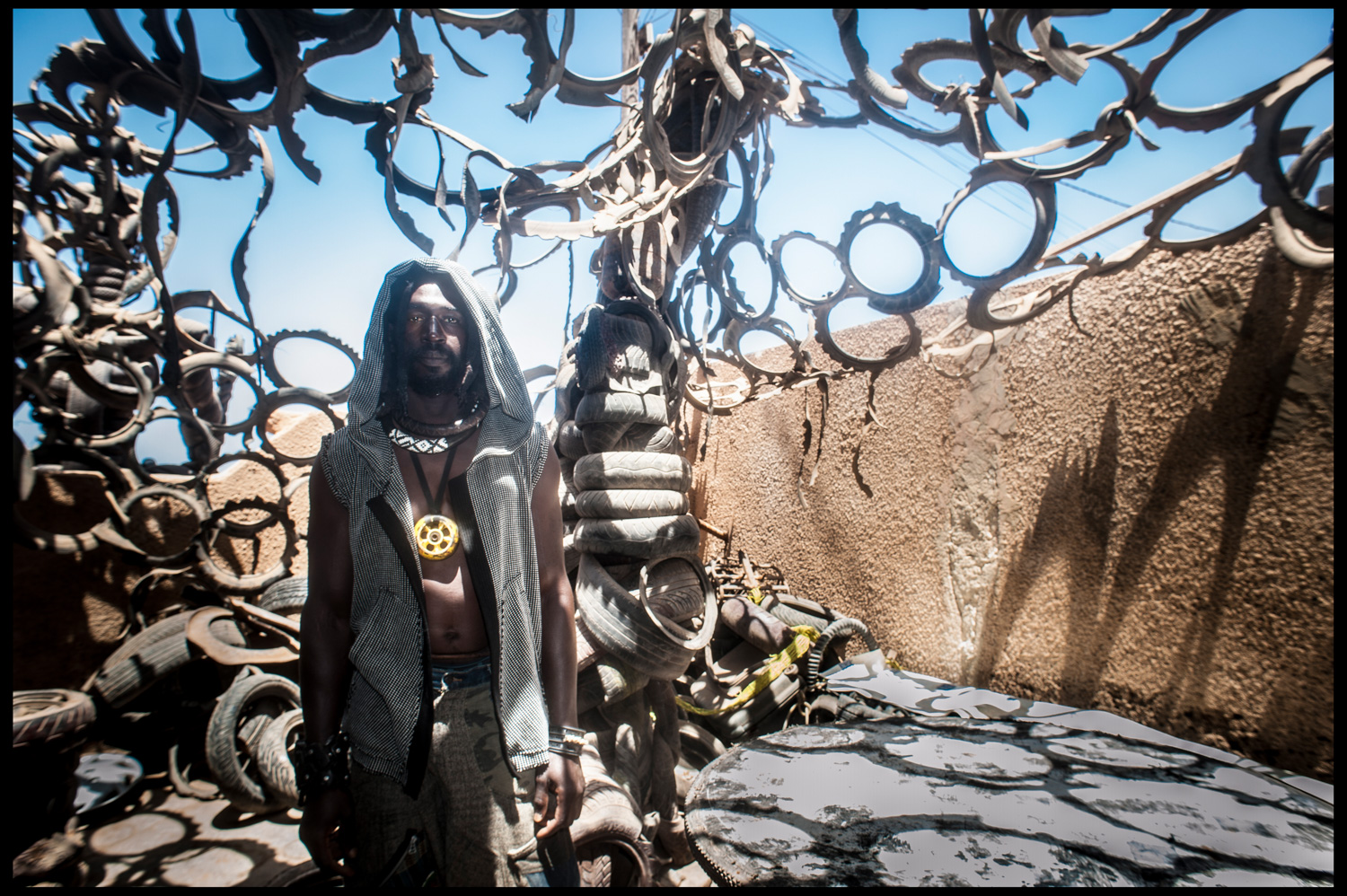
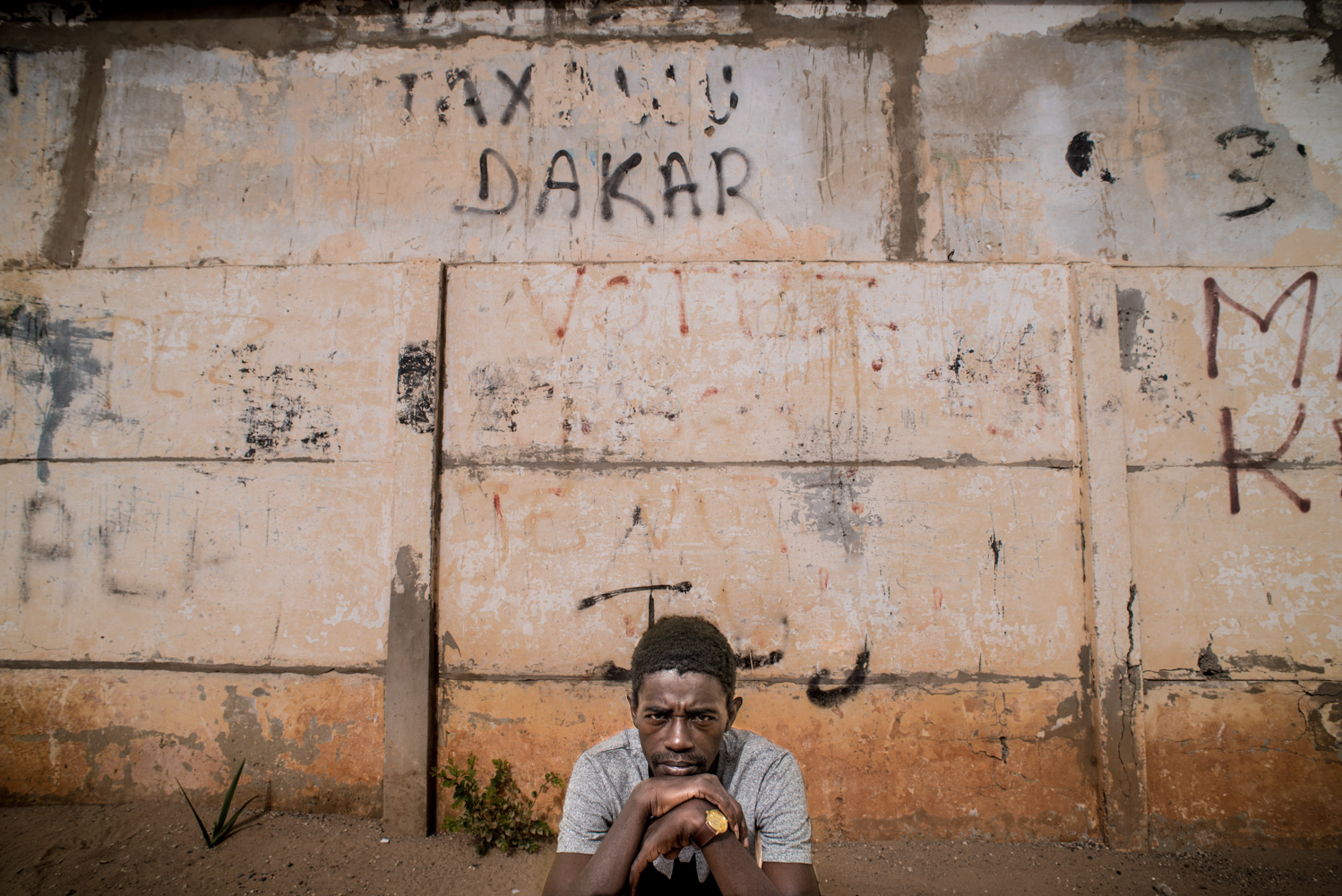
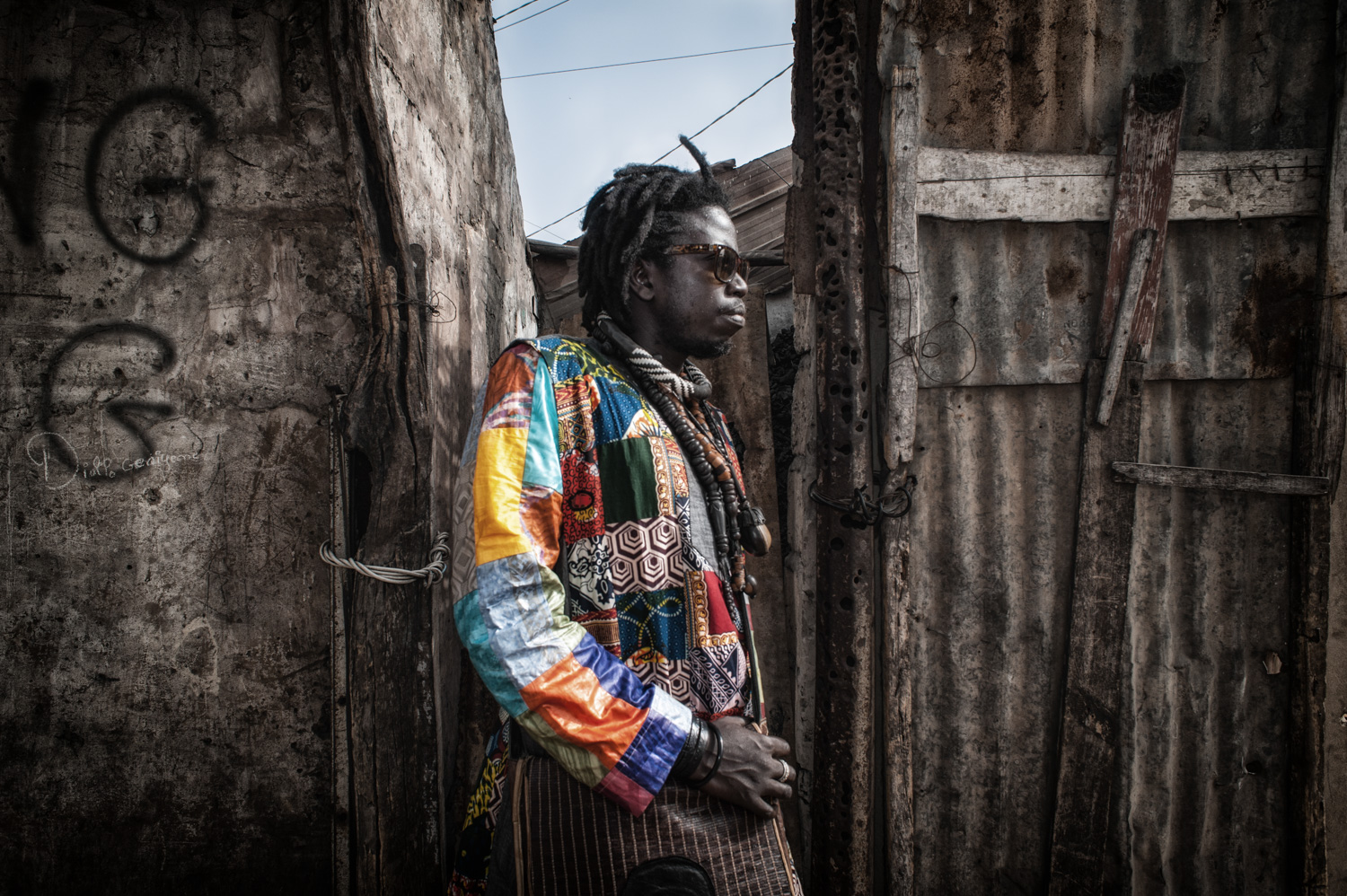
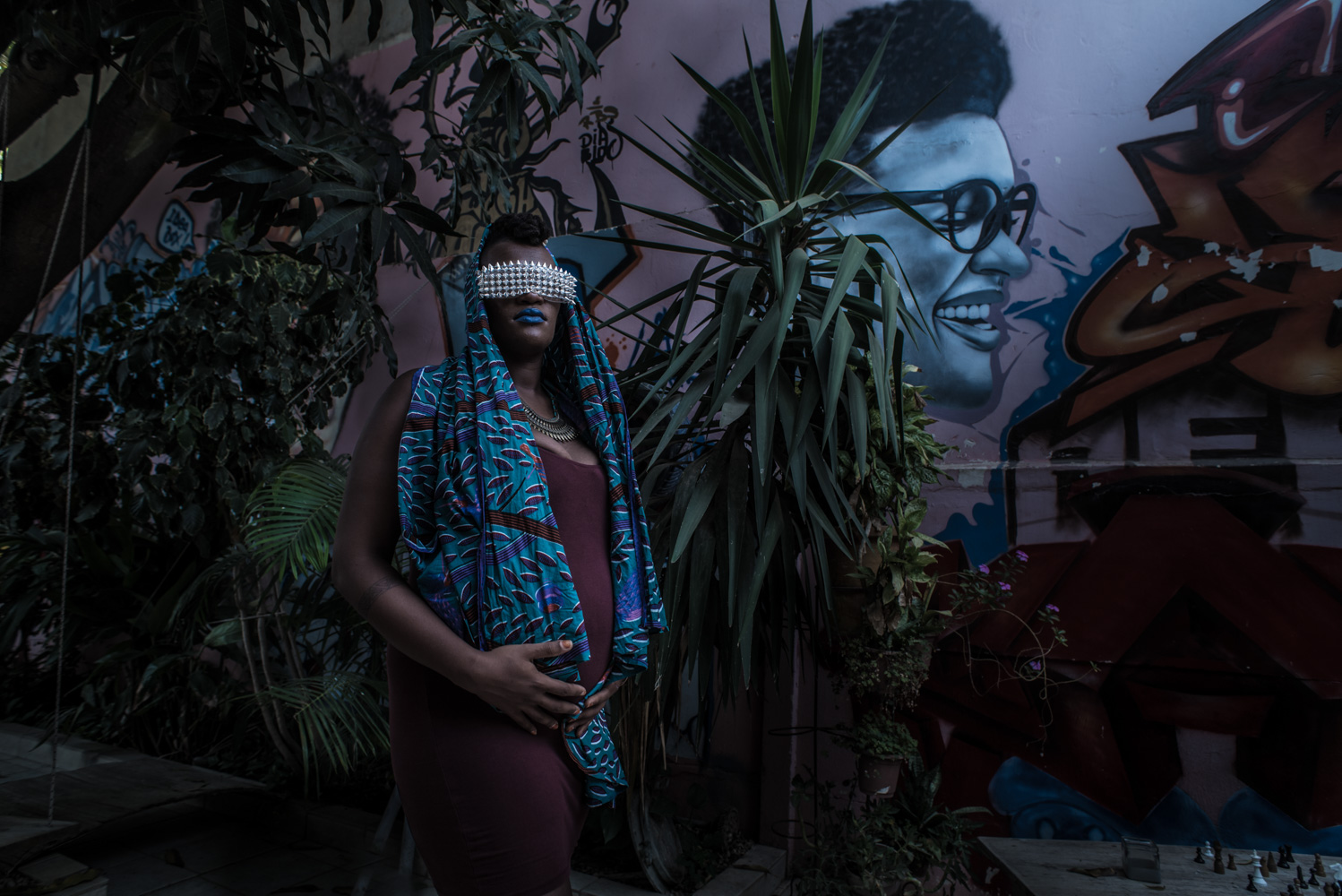
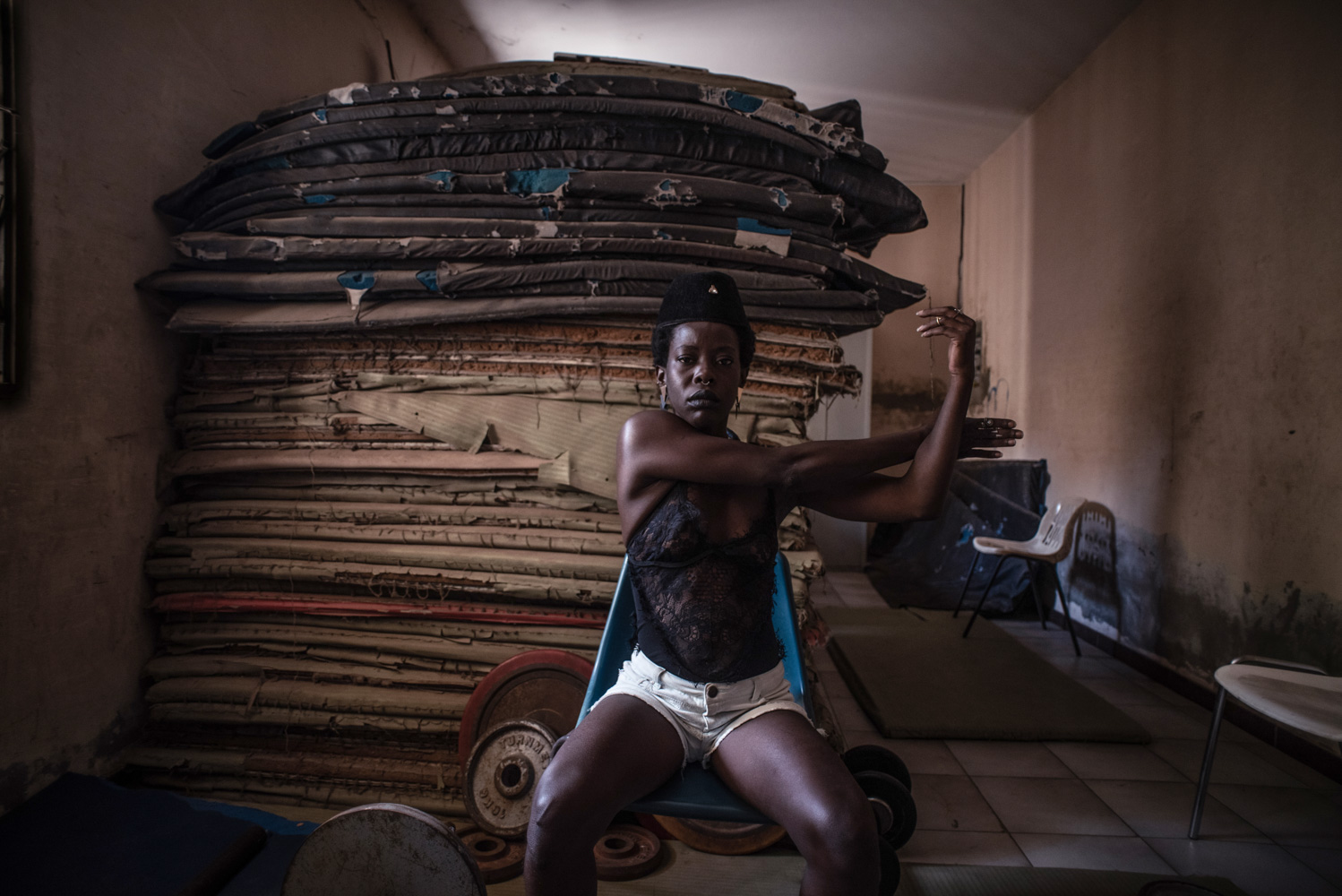
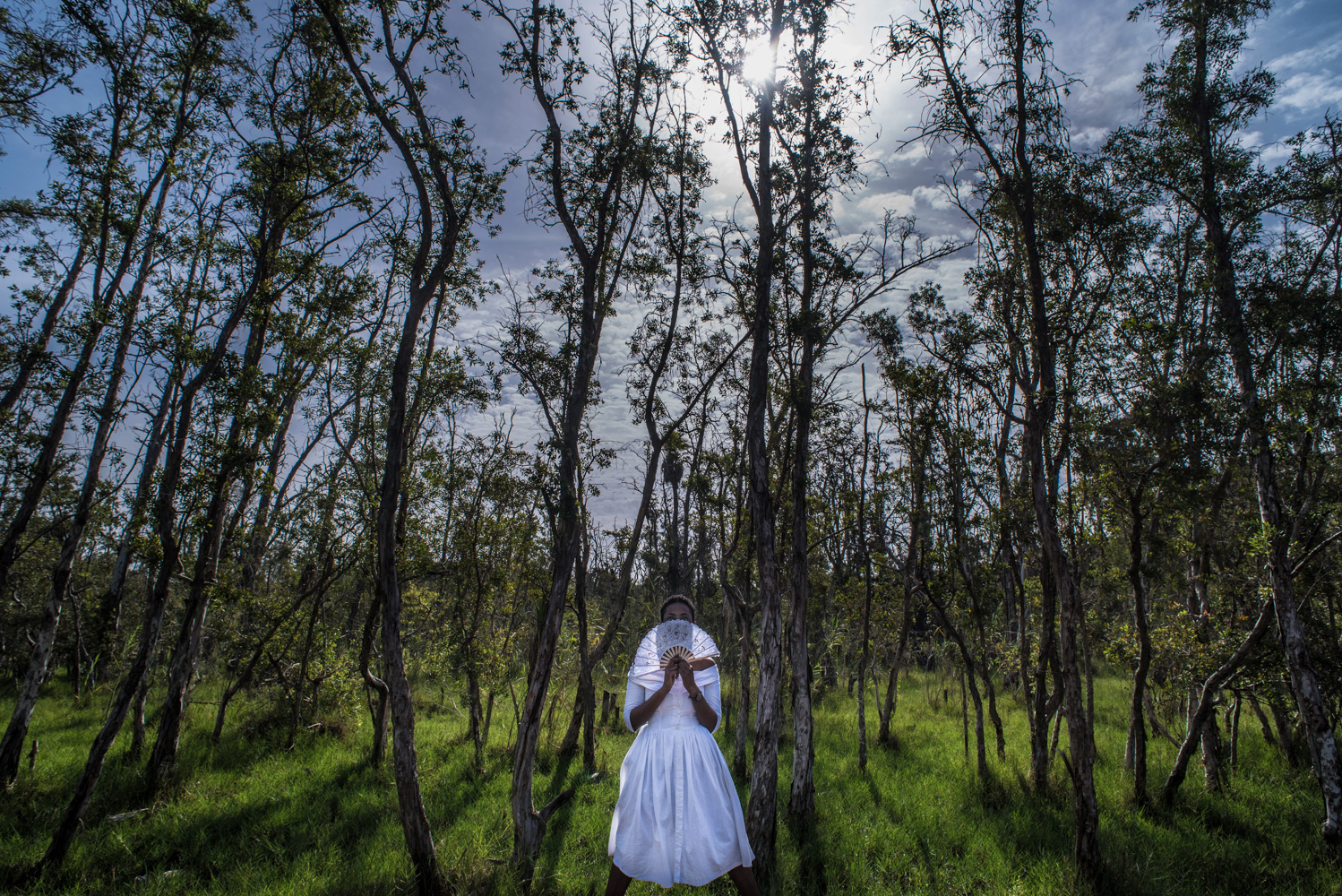
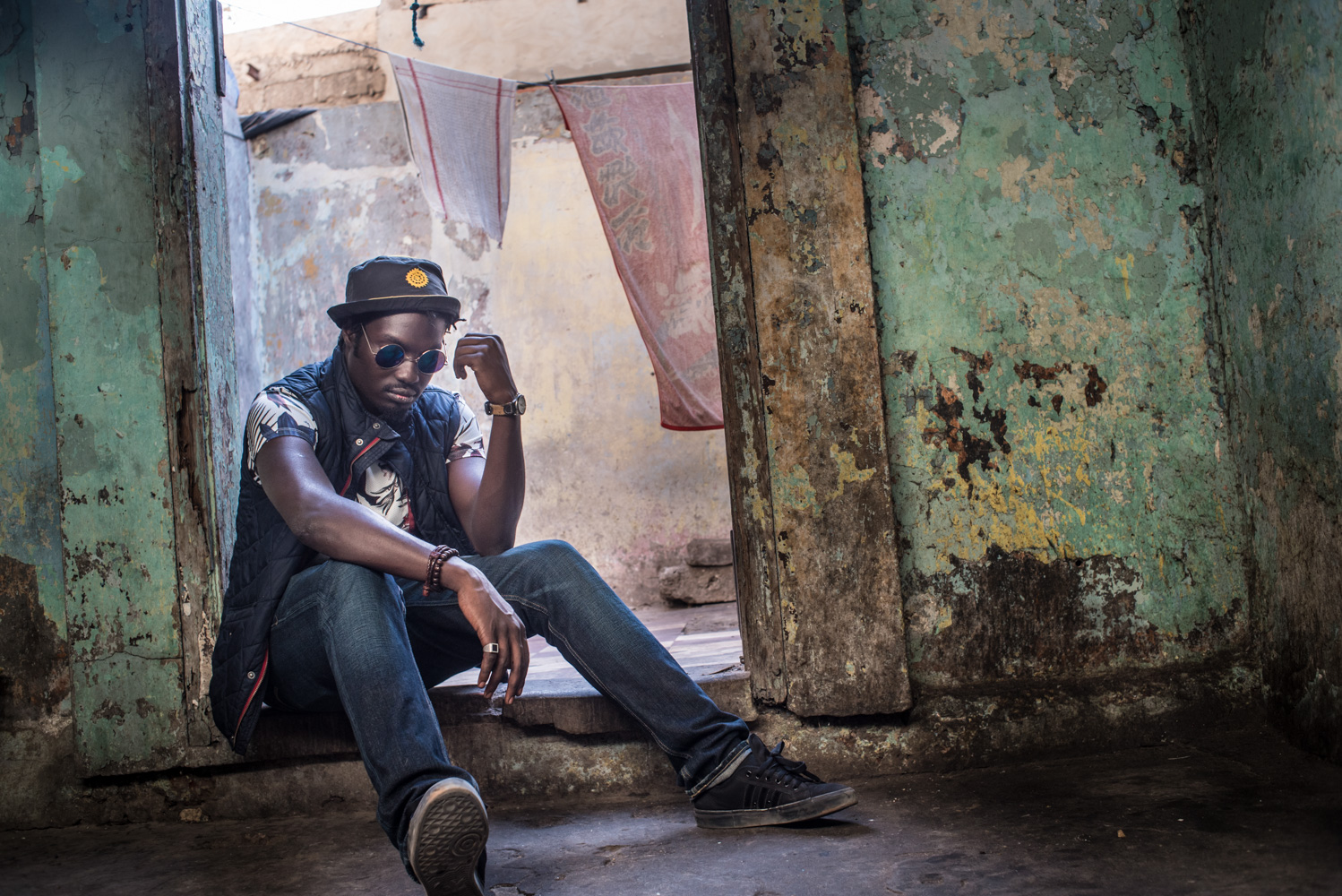
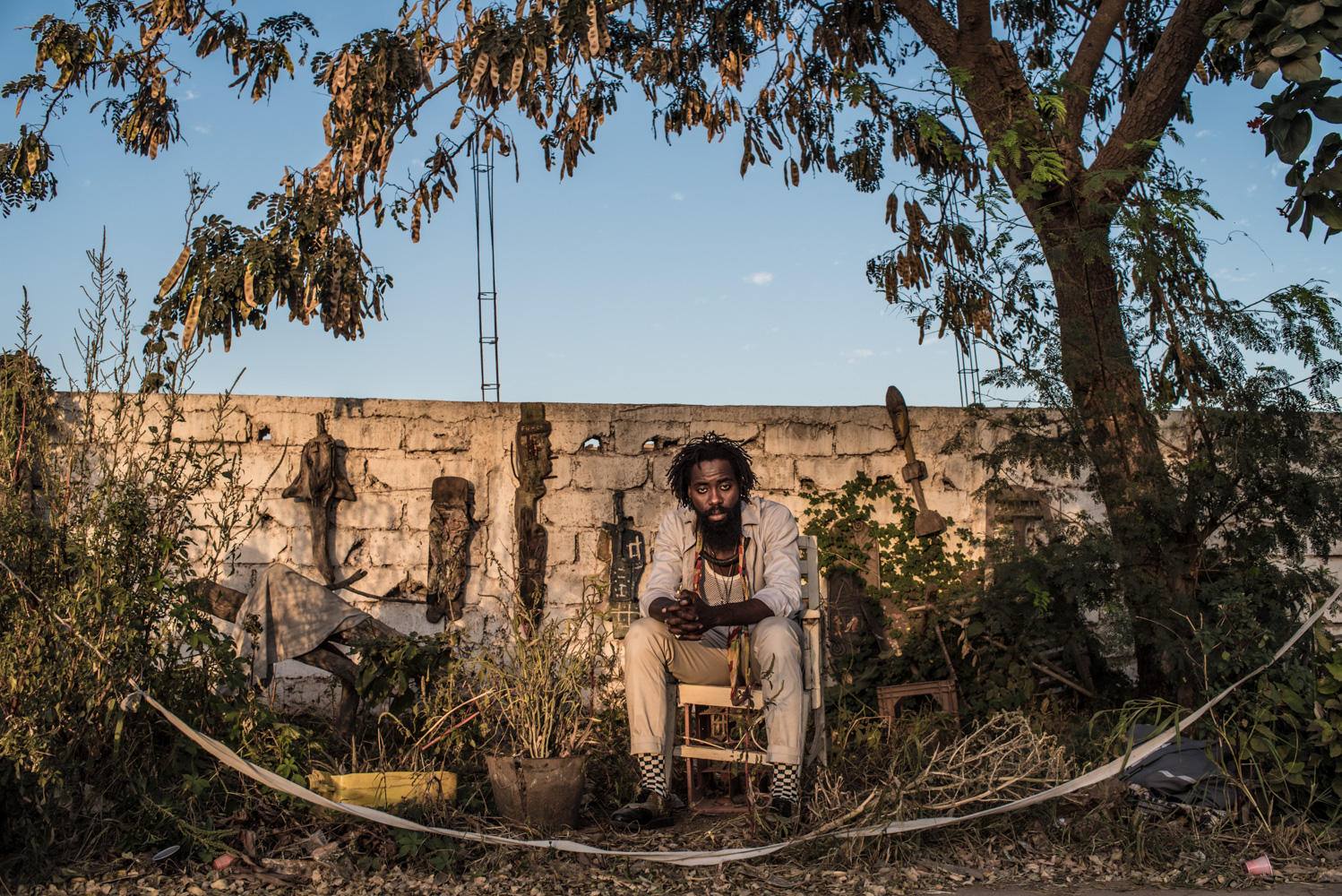
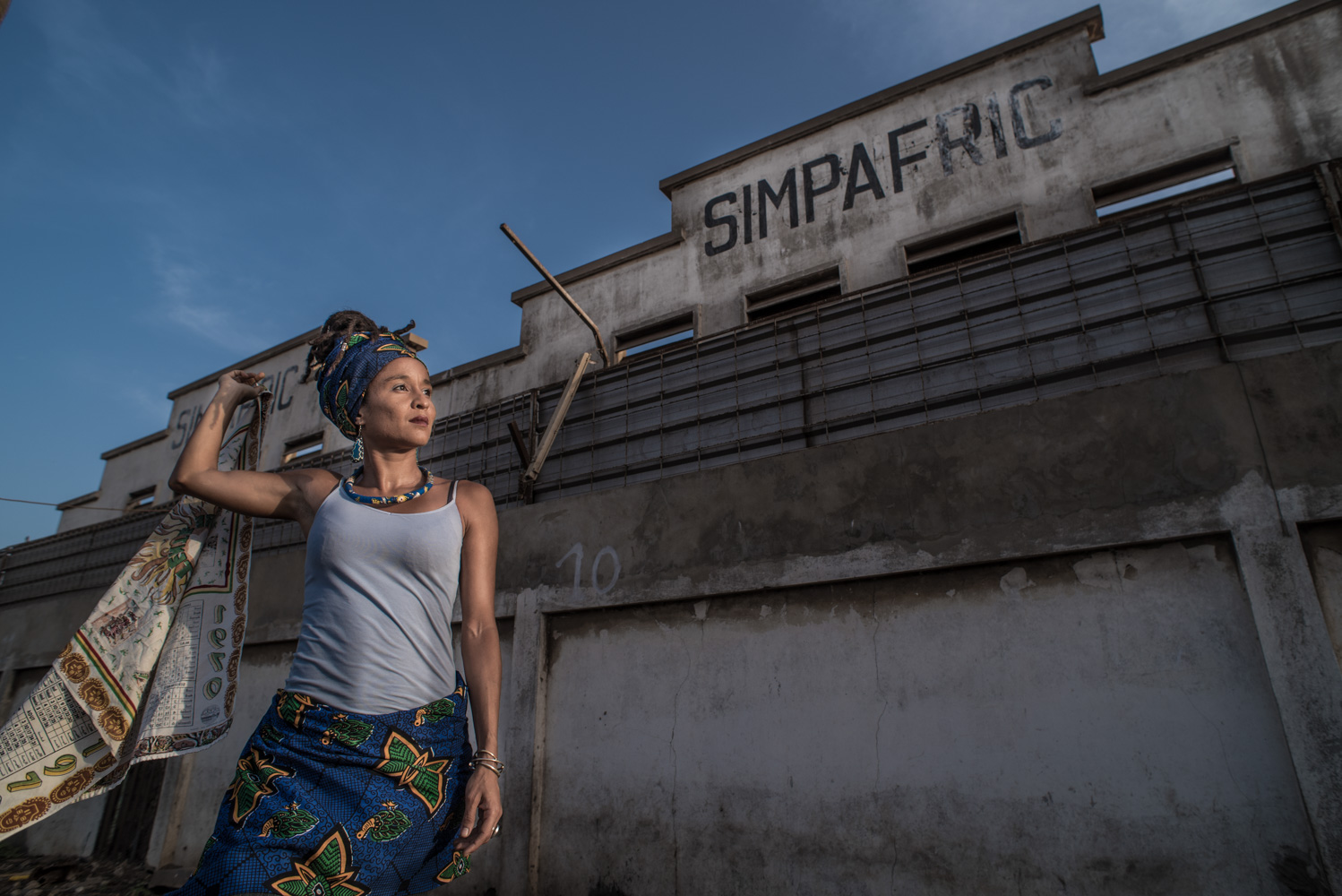
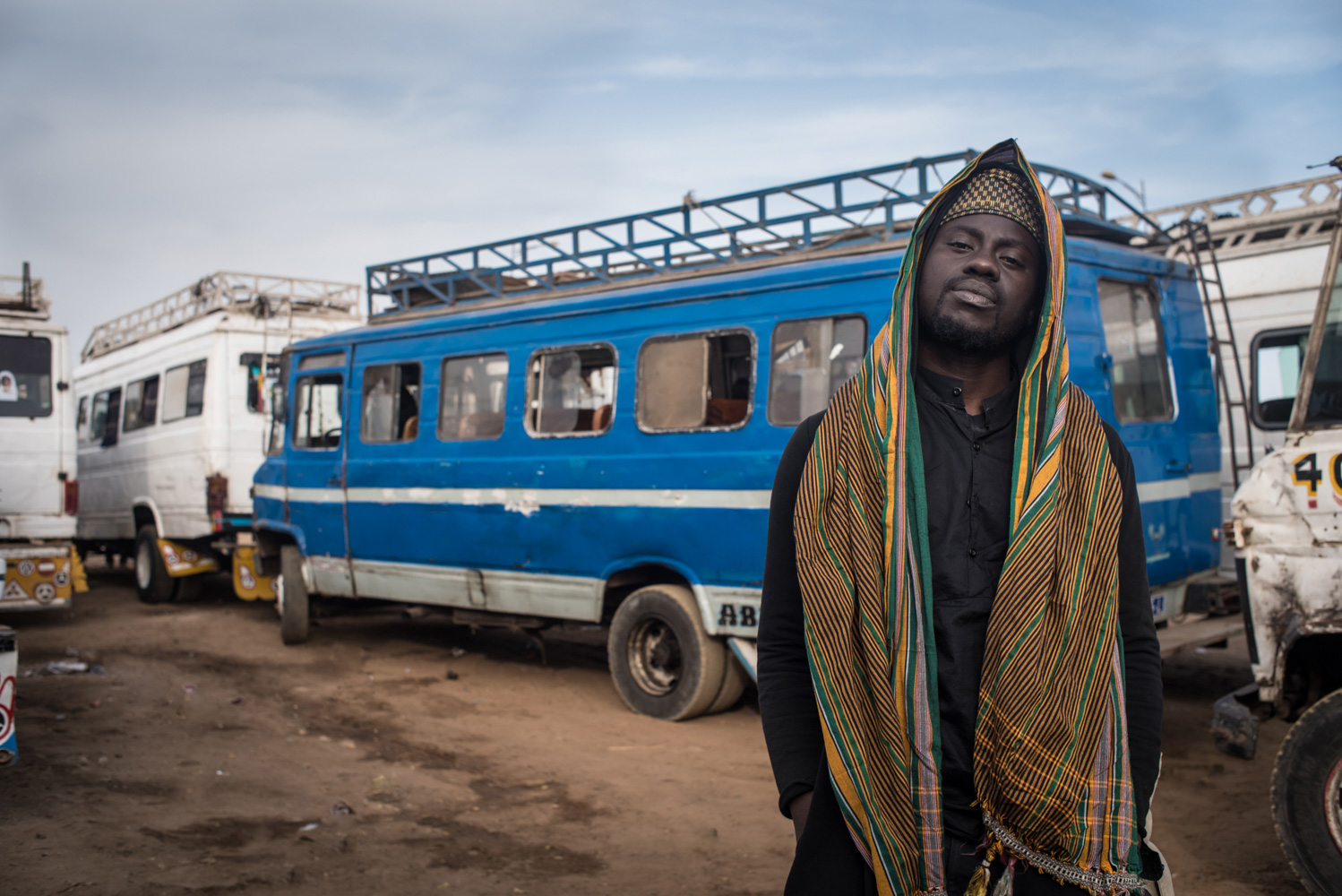
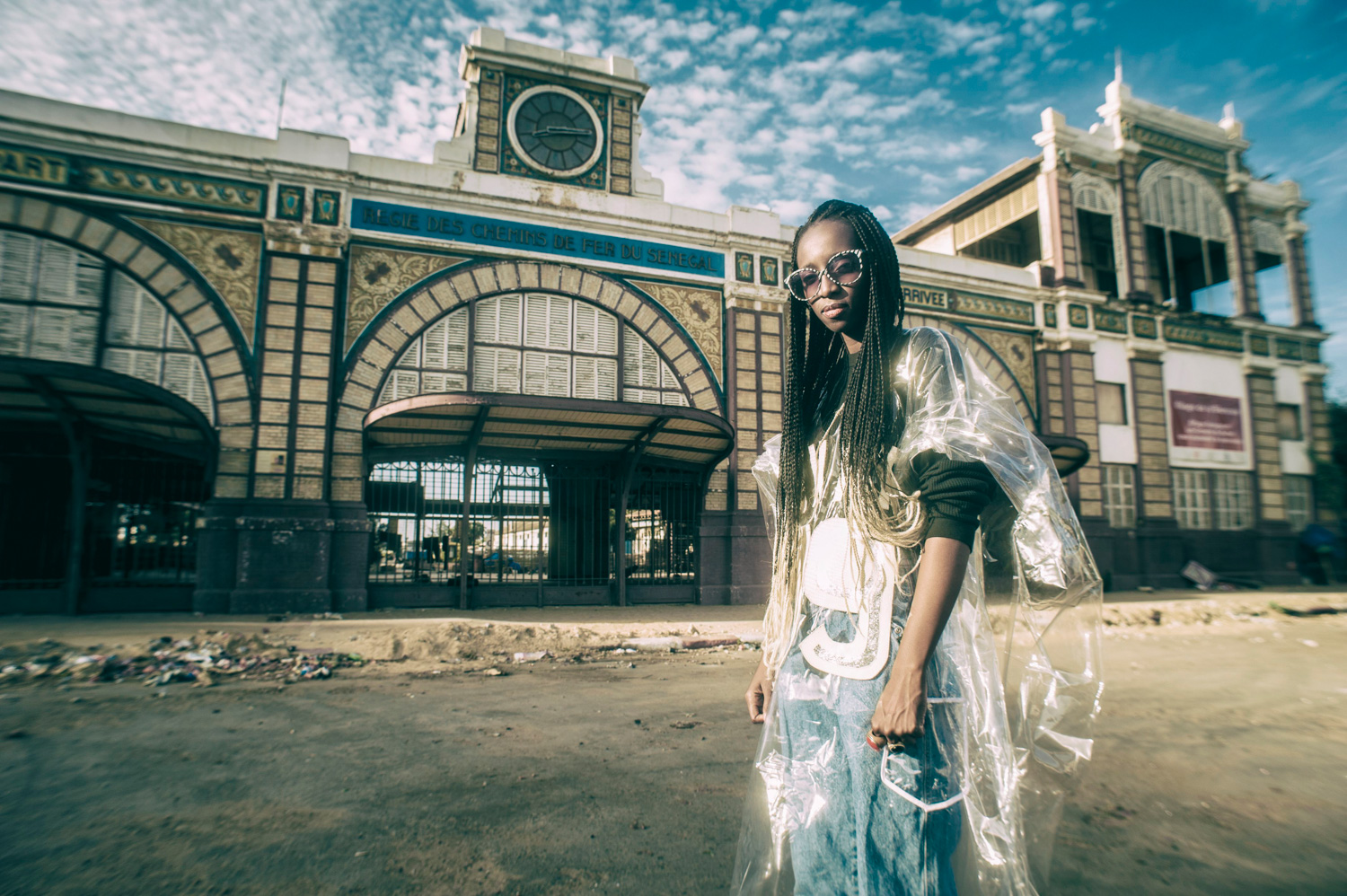
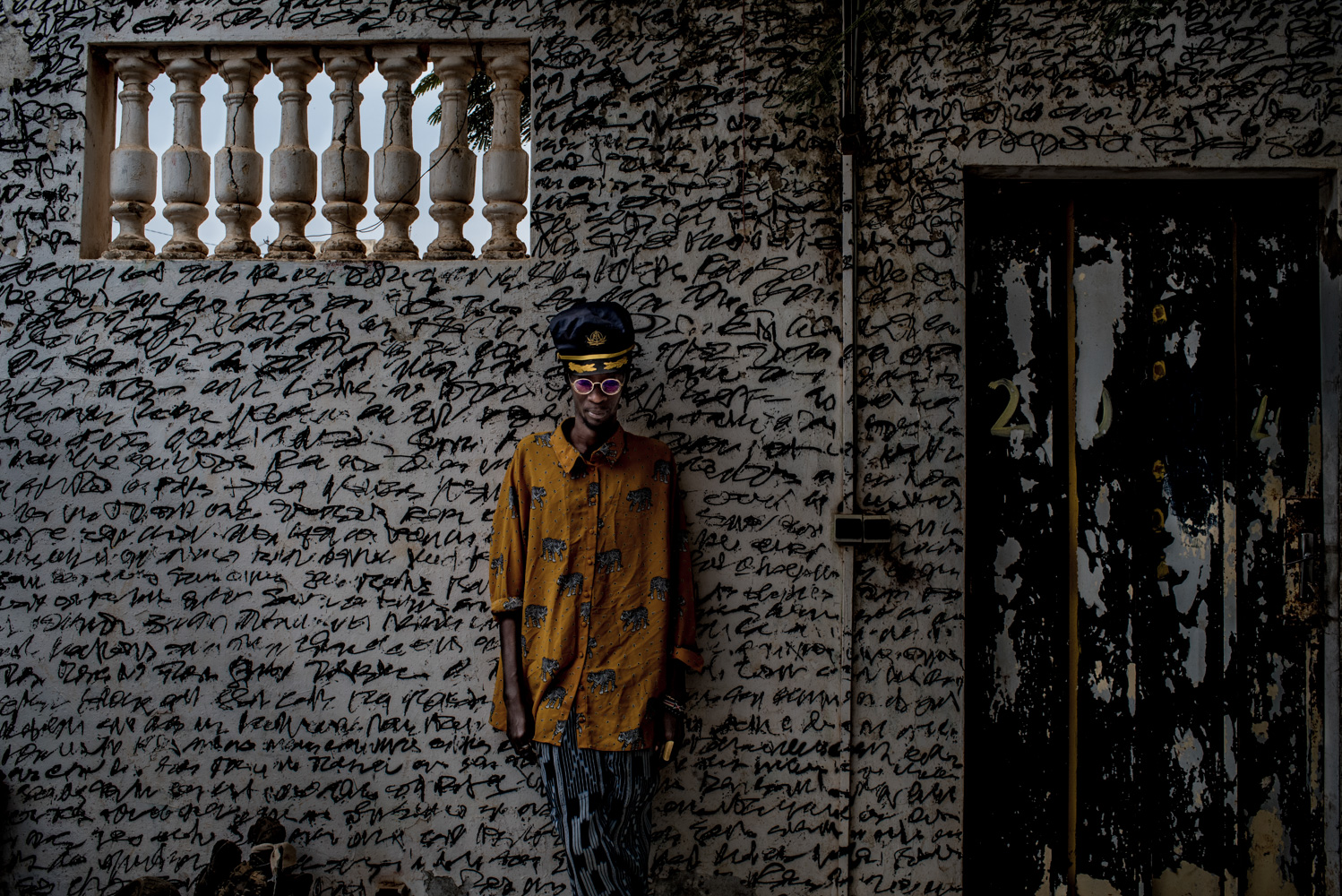
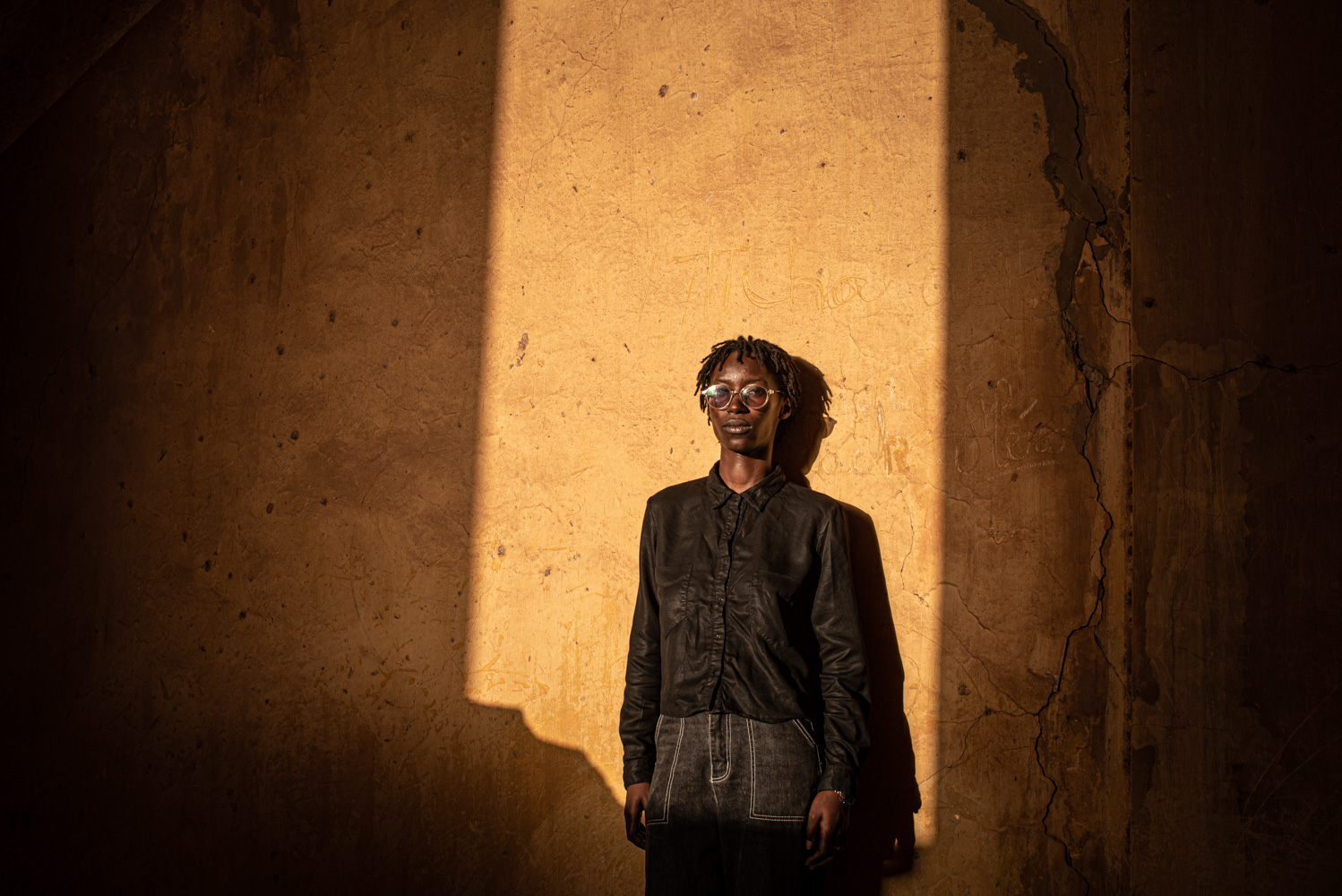
To the latter (designers, sculptors, writers, musicians, dancers, etc.), Dakarois by birth or by adoption, whom I meet, I ask to take me to a place that inspires them and/or represents them — in order to create their portrait.
Beyond discovering a location, the aim is to carry out an act of remembrance: to try to tell the story of the one who lived there, built their identity, and developed their artistic practice.
Photography and text are the tools through which I attempt to craft an individualized map of the city — through its artists.
Because once the image is captured, a question inevitably arises:
How long will this place still exist?
Ongoing series.
Nicknamed the Cape Verde Peninsula, this narrow stretch of land, though representing only 0.28% of the national territory, is home to nearly a quarter of the country’s growing population, which is becoming increasingly crowded.
The city is changing — fast. “Emergence” comes at a price: the rapid transformation of the metropolis, where new buildings and neighborhoods rise from the ground at dizzying speed.
It’s therefore not uncommon to come across an uprooted tree or a family house torn down, soon replaced by an imposing new structure.
Everyone builds upward, for lack of space — calling upon battalions of tightly packed masons, sometimes young graduates short on opportunities, who flock to construction sites.
When a house is demolished, a story comes to an end — people move, whether they are civil servants, laborers, mechanics, or artists.
To the latter (designers, sculptors, writers, musicians, dancers, etc.), Dakarois by birth or by adoption, whom I meet, I ask to take me to a place that inspires them and/or represents them — in order to create their portrait.
Beyond discovering a location, the aim is to carry out an act of remembrance: to try to tell the story of the one who lived there, built their identity, and developed their artistic practice.
Photography and text are the tools through which I attempt to craft an individualized map of the city — through its artists.
Because once the image is captured, a question inevitably arises:
How long will this place still exist?
Ongoing series.



.jpg)